
Maximise Lambing in a Dry Season
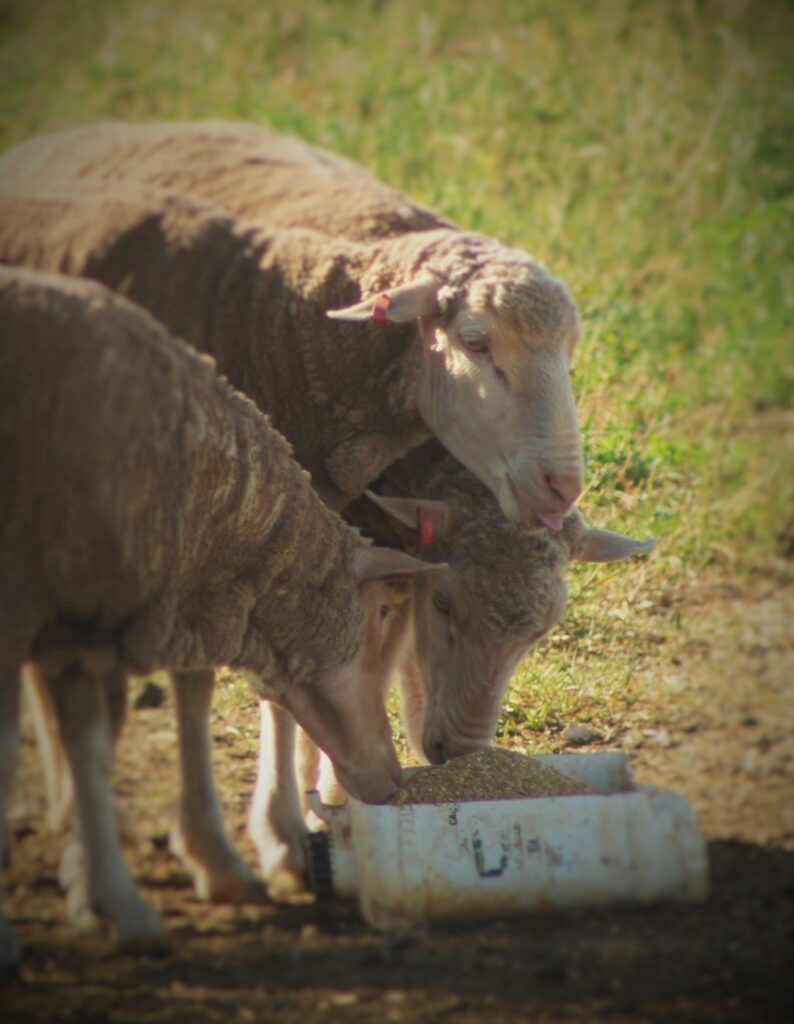
As the dry season bites across the eastern states and the long-term outlook predicts more of the same, we need to start planning for a dry winter. The lack of substantial rainfall throughout autumn has seen a marked reduction in pasture quality and quantity, making it difficult to satisfy the energy requirements of pregnant and […]
Use Effective Urea Supplementation to Boost Dry Feed
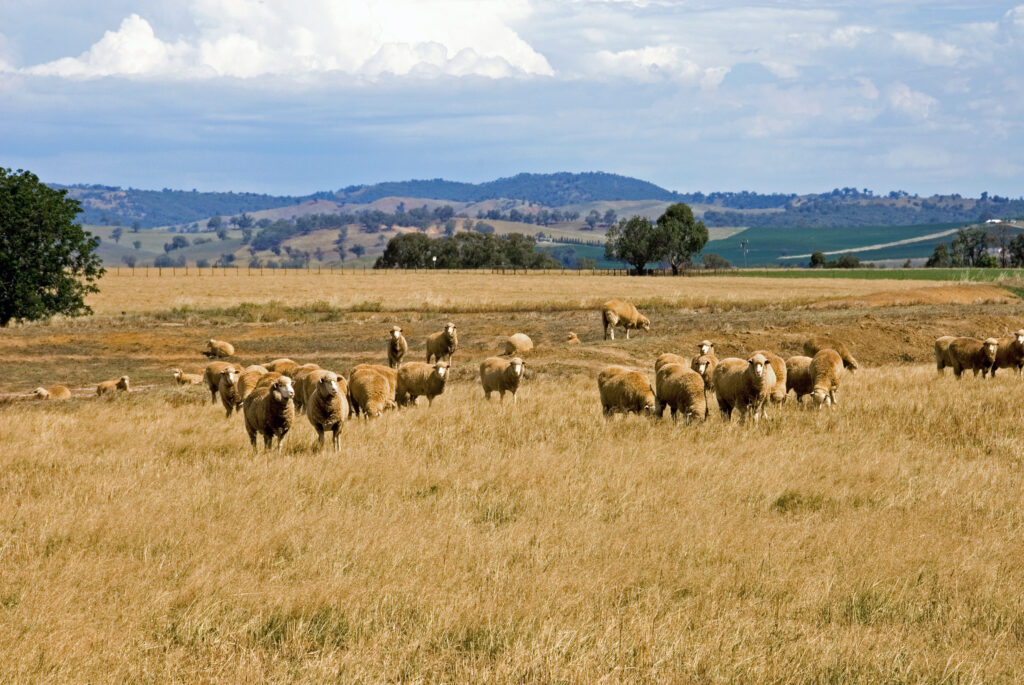
Grazing stubbles is a great example of the synergies between crop and livestock production. Stubbles, when grazed effectively, can assist in the growth and maintenance of livestock during summer, when feed availability and quality is generally limited. In return, grazing livestock help to physically breakdown stubbles to assist with future sowing activities. Another useful by-product […]
Grain Assist on Lucerne for Rapid Liveweight Gain
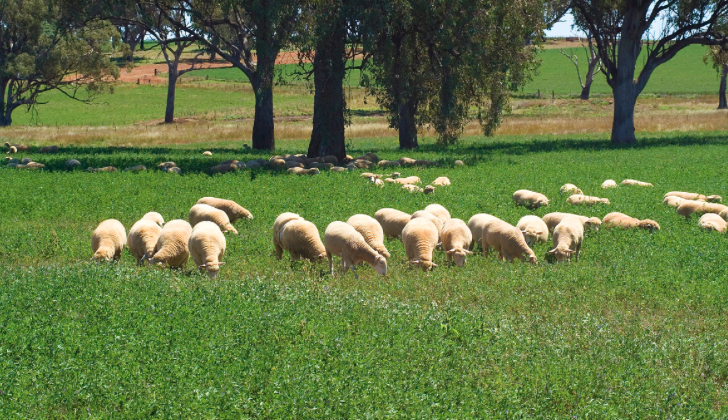
Optimal levels of protein and energy for rapidly growing lambs are 16% protein and 12MJ ME/kg DM of energy. This level of nutrition is common when grazing actively growing winter pastures, like Ryegrass and Phalaris, during the cooler months. However, the nutritional value of winter-dominant pasture declines as it goes to head and matures. So, […]
Dry Season Feeding Tips for 2026
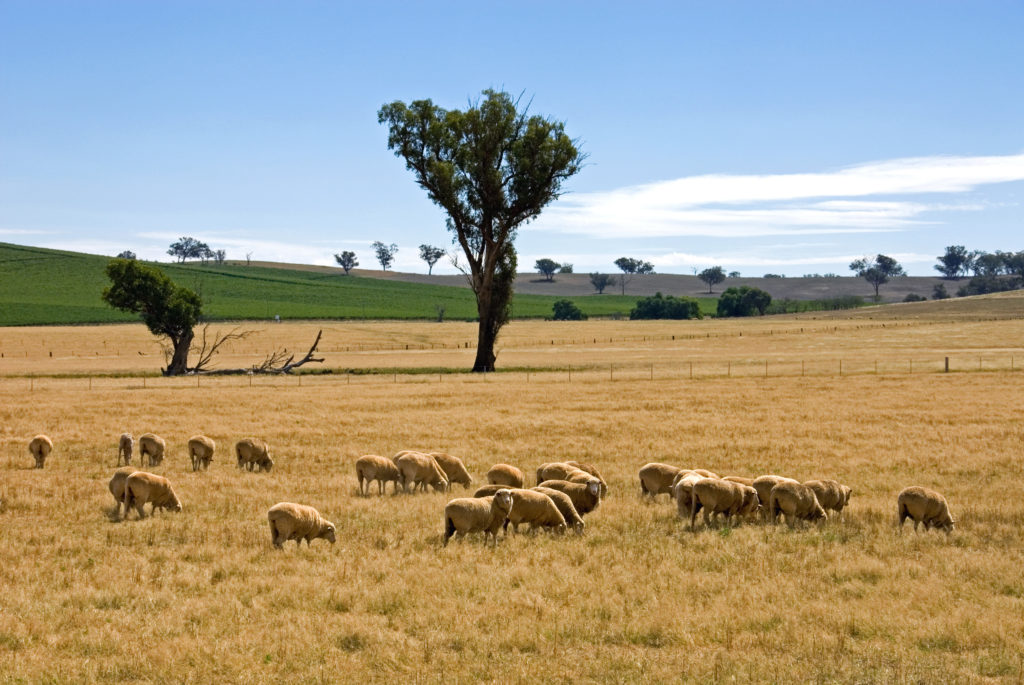
As producers turn their attentions towards maintaining breeding livestock on stubbles and dry feed, it’s important to keep in mind that the cheapest feed is standing in your paddocks, and making the best use of the standing feed available is the most efficient way to maintain livestock through the dry period. Despite the costs associated […]
Considerations for Weaning this Season

Milk is a highly nutrient-dense substance and requires a significant amount of quality feed to be consumed by the cow to produce enough of it to satisfy the demands of a growing calf. During lactation it is common for cows to lose condition as they partition almost all their consumed nutrition towards milk production. This […]
Boost Performance on Dry Feed with BoviPro-FlyBye

Pinkeye outbreaks tend to flare-up over the warmer months, as grass seeds, dust and flies play their part in aggravating and spreading the disease. Flies are attracted to the infected eyes, feeding on the secretions before moving from animal to animal spreading the disease. As a result, cattle producers may need to pull out all […]

